
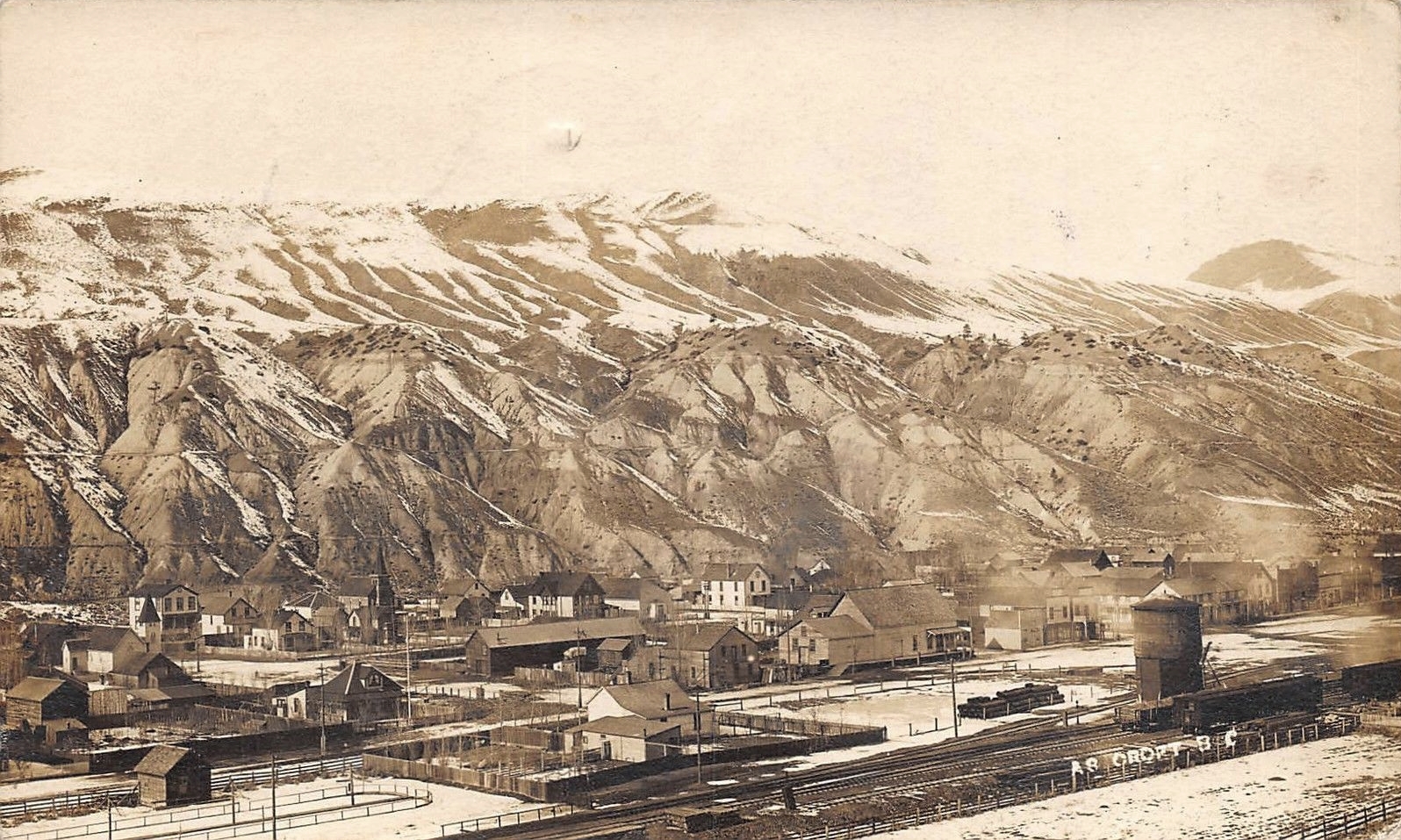
The history of Ashcroft includes a long-standing Indigenous presence along the river and surrounding area long before the settlers of the Cariboo Gold Rush arrived in the 1860s.
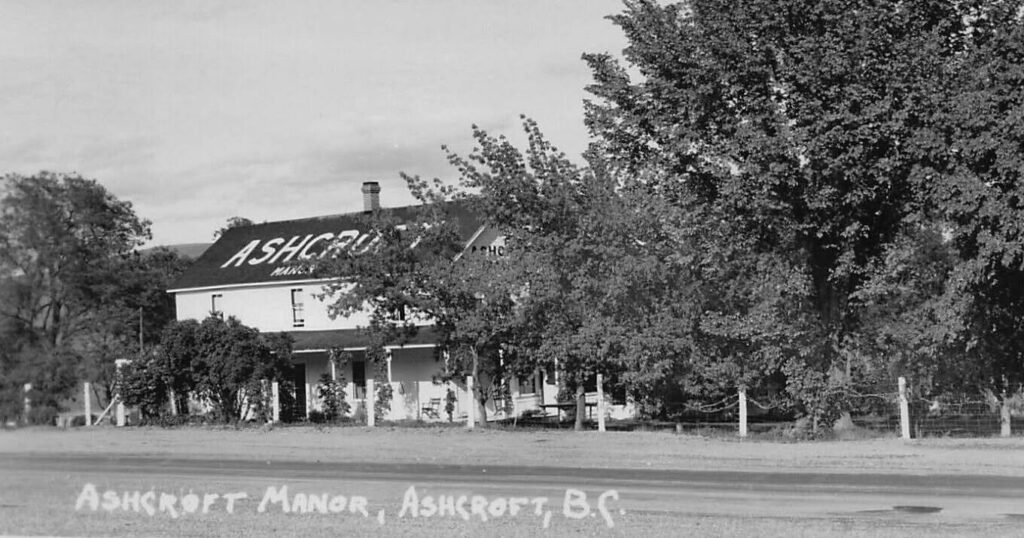
Photo: Postcard, Ashcroft, BC, c.1908
Listen to Craig Baird’s podcast of Historic Ashcroft!
Indigenous Heritage
Indigenous people from the Nlaka’pamux Nation and the Secwepemc Nation lived and traveled through the valley where the community of Ashcroft is now located. Nlaka’pamux Nation includes the present day First Nations of Ashcroft Indian Band, Oregon Jack Creek Indian Band, and Cook’s Ferry. The Secwepemc Nation includes the Bonaparte Indian Band. In 2021, archaeologists uncovered 3,000-year-old remains at the Ashcroft Terminal, which locals chose to rebury with care.
European settlement
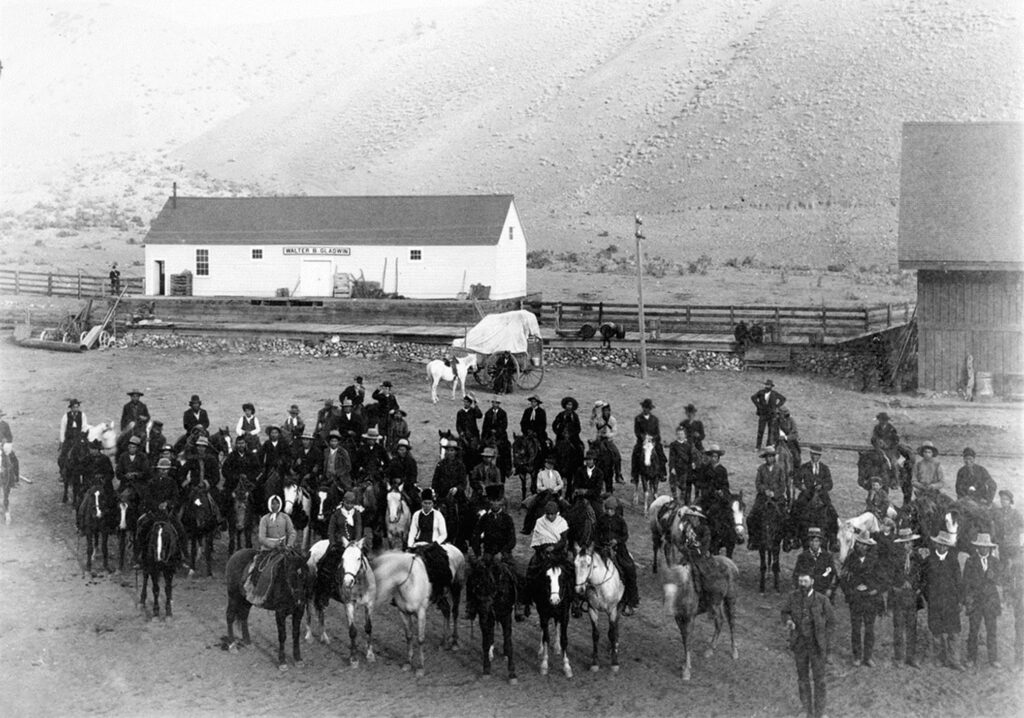
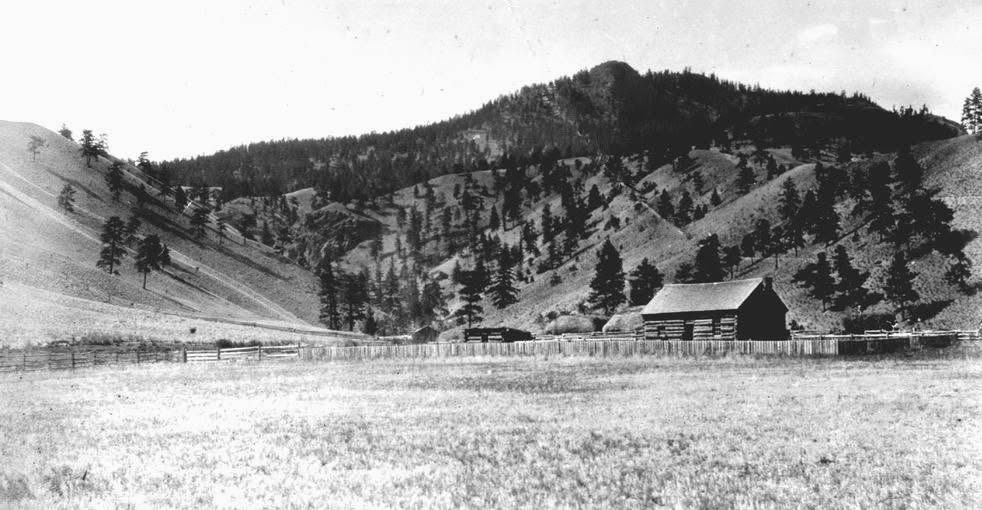
By the mid-1800s, Indigenous people were active in the fur trade, then European settlement began in 1859 when Clement and Henry Cornwall arrived and named the area Ashcroft after Ashcroft Manor, their home in England. The brothers aimed to profit from the Cariboo Gold Rush by hosting prospectors and selling supplies.
Canadian Pacific Railway
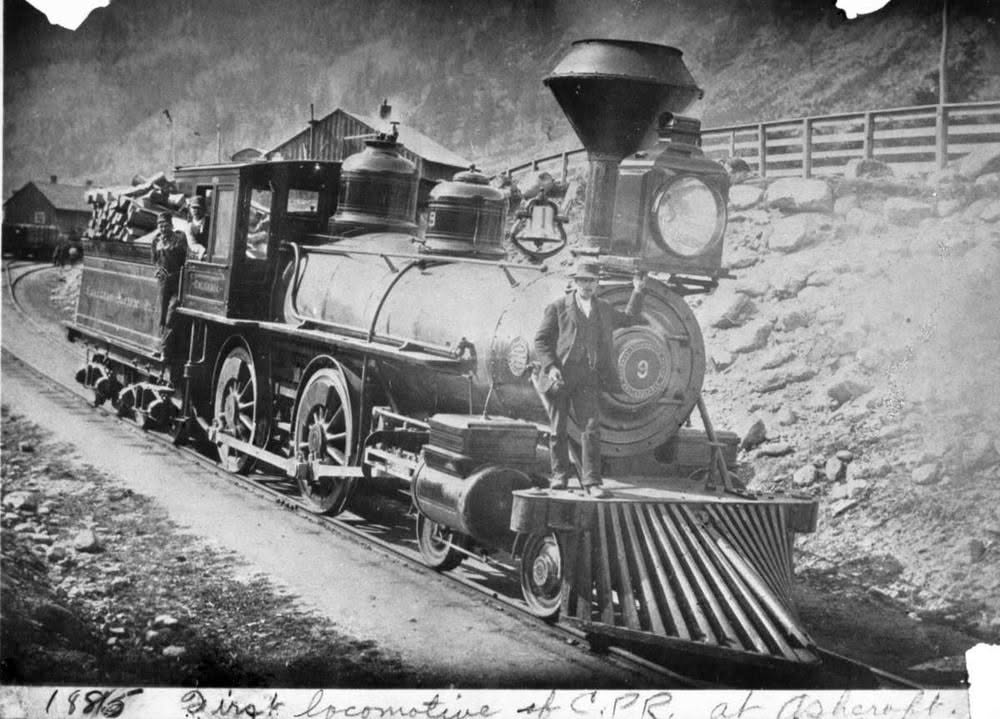
In 1884, Ashcroft gained a line from the Canadian Pacific Railway, making it a division point for the railway. The town grew as settlers arrived; by 1890 a provincial bridge enabled rail travelers to reach Ashcroft, fueling commerce through hotels and eateries.
Chinese Settlement
As the Canadian Pacific Railway was built through Ashcroft, many Chinese labourers came to the area to help construct the line, often for low wages and under dangerous conditions. The CPR later established a Chinese cemetery in Ashcroft, with the first burial there in the late 1880s. The cemetery was used for decades, until the early 1940s, when the first Chinese burial took place in the public cemetery. Today, it contains 49 visible grave sites, including seven original headstones.In 1884, Ashcroft gained a line from the Canadian Pacific Railway, making it a division point for the railway. The town grew as settlers arrived; by 1890 a provincial bridge enabled rail travelers to reach Ashcroft, fueling commerce through hotels and eateries.
Yukon Telegraph Trail
In 1898, construction began on a telegraph line from Ashcroft to Atlin in northwestern British Columbia. Known as the Yukon Telegraph Trail, it linked the Yukon with the rest of Canada. Work took three years, and the line was completed in 1901. It remained in use for about 35 years before being abandoned as radio became more common. It was at Ashcroft where this immense telegraph line met the main line so that messages could go east and west through Canada.
Discover more at The Ashcroft Museum
Considered one of the best museums located in any BC Village, the museum collection includes artifacts that date back to the early 1900’s and and bears witness to Ashcroft’s “Glory Days”. Museum staff can assist visitors looking for information through the extensive archives. Entrance by donation.
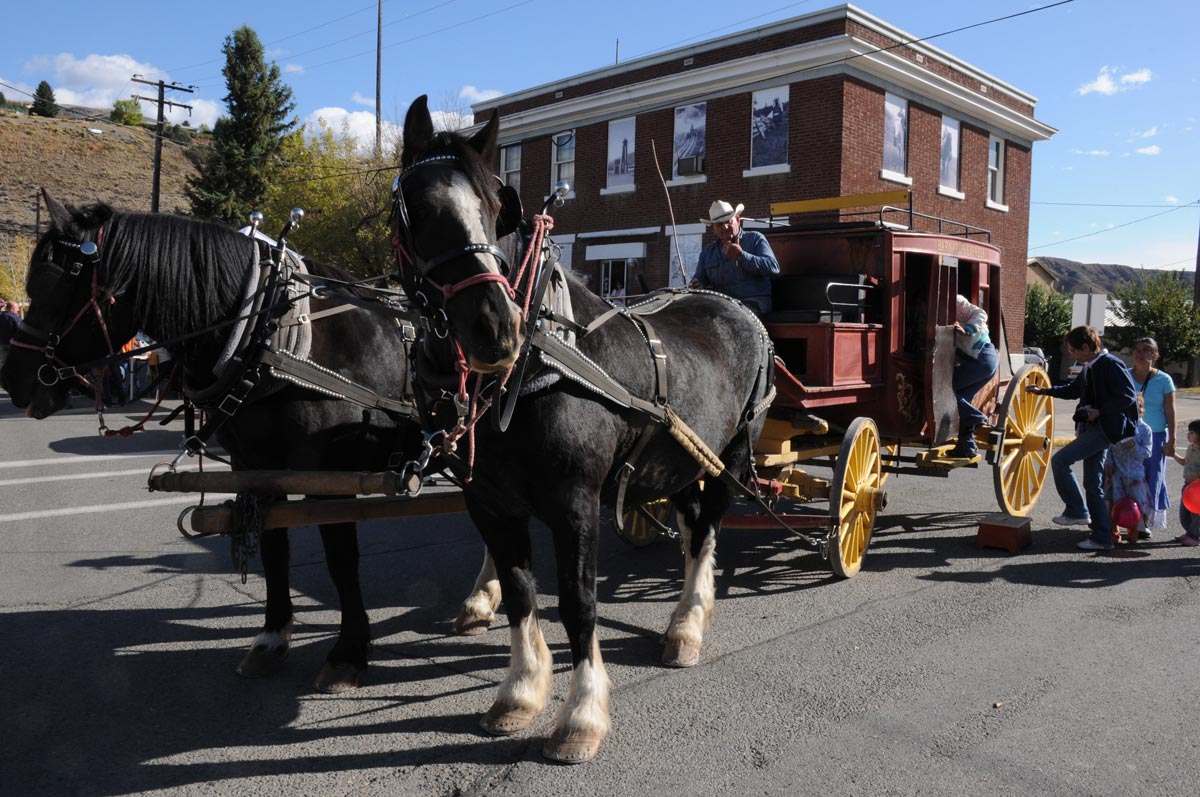
Location & HoursPhoto: Ashcroft Museum with stage coach. Photographer: Barbara Roden
The Village Scene
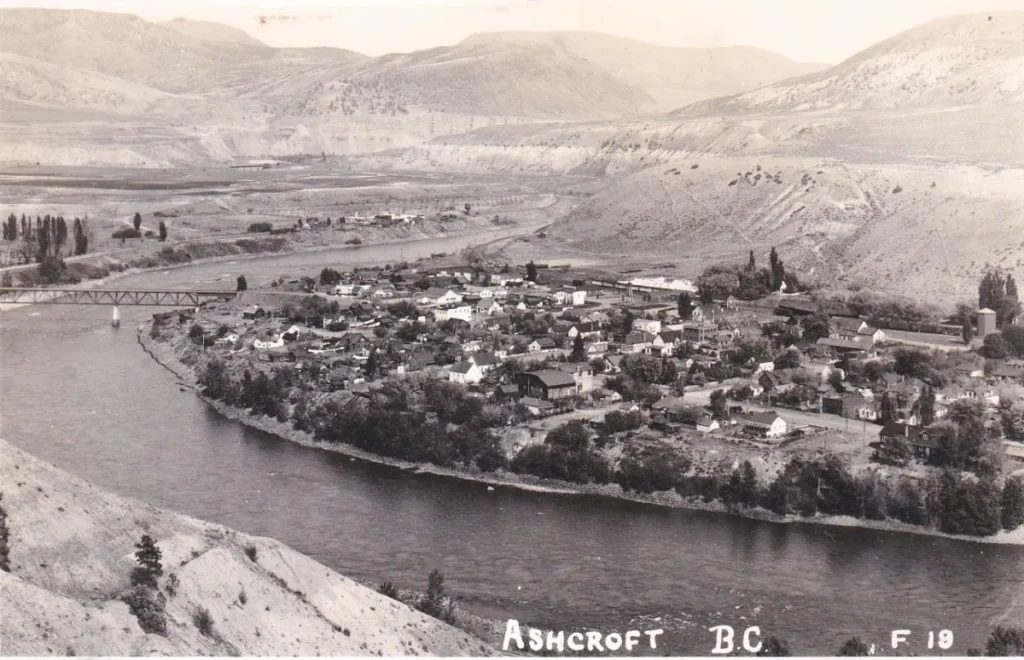
Ashcroft was incorporated in 1952 and is known for its historic character and has been a popular site for filming movies and TV series. Striking features of the community are the Canadian Pacific and Canadian National railways which border the Thompson River, the river itself, and the sagebrush landscape surrounding the community.